egypt.ages.im
A temple opposite Thebes, and a letter read in 1822
The British Museum says Egyptian civilisation “arose in the fourth millennium BC and only waned in the first four centuries AD, after Egypt was annexed into the Roman empire.” In those long centuries a woman built a temple opposite Thebes, a boy became king at nine, and the last known hieroglyphs were carved at Philae in AD 394.
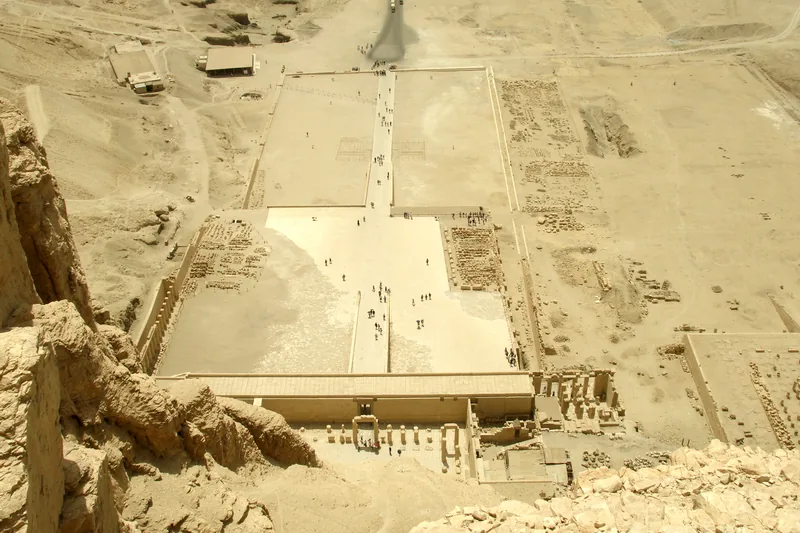
A desk of ancient Egypt stories
Pick a story. A letter read in 1822, a temple opposite Thebes, and the last known hieroglyphs, carved at Philae in AD 394.
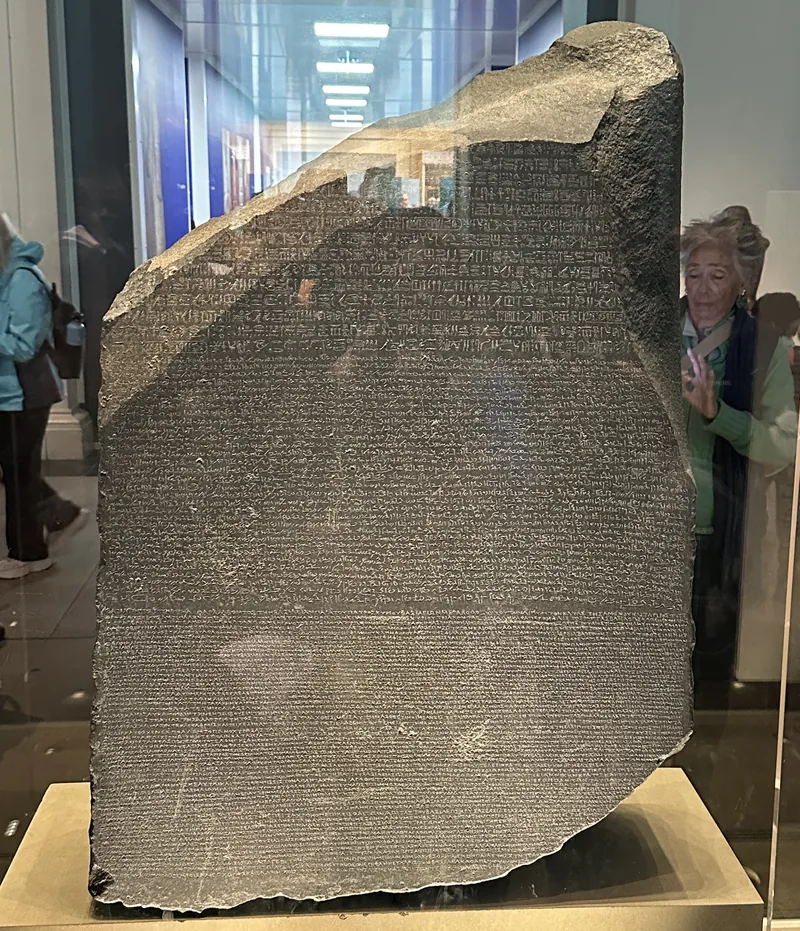
Room 4 describes the Rosetta Stone as a priestly decree “inscribed on the stone three times, in hieroglyphic (suitable for a priestly decree), demotic (the native script used for daily purposes), and Greek (the language of the administration).” [source]
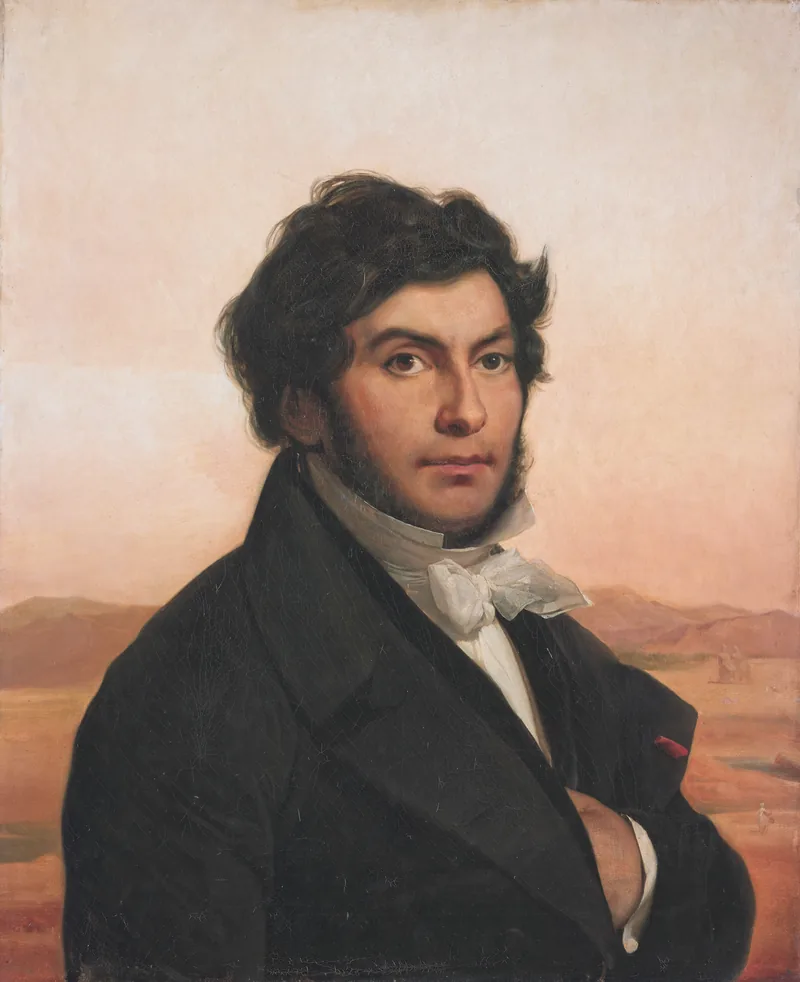
Ilona Regulski’s British Museum blog records that Champollion’s Lettre à M. Dacier was read on 27 September 1822. He “counted 1,419 hieroglyphic signs on the Rosetta Stone against 486 words of the Greek text,” and concluded that the writing was a hybrid system, not purely ideographic. [source]
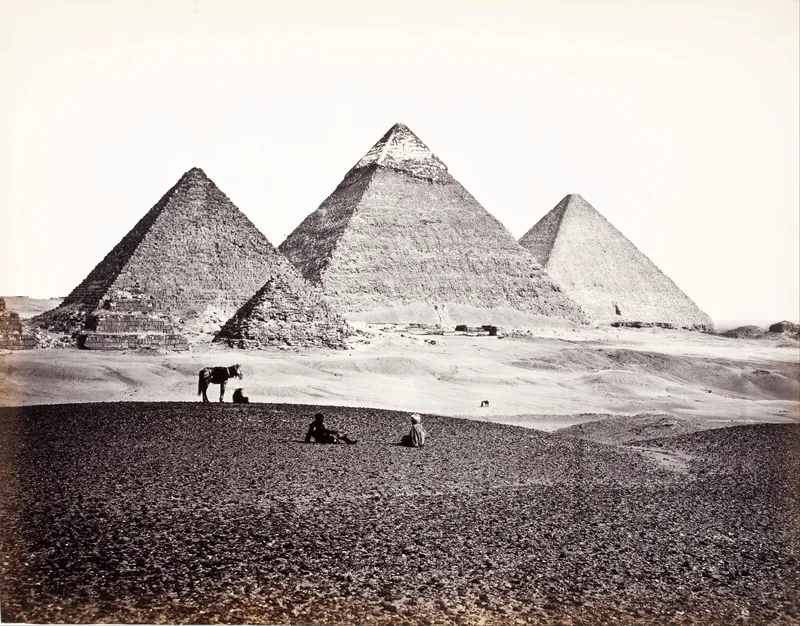
Further back, the school timeline dates the three large stone pyramids at Giza to 2600–2500 BC, and says “the pyramid built for the king Khafre is guarded by a huge stone sphinx with the body of a lion and the king’s head.” [source]
Keep exploring
- Which kingdom? — official periods, kept on their own official lines.
- Hieroglyphs — 1,419 signs, and the last carving at Philae.
- The Nile year — a civil calendar that fell behind.
- roman.ages.im — what happened after Egypt was annexed into Rome.
Enjoyed this Egypt desk?
No pop-ups. No intrusive advertising. Just interesting stuff. A little support helps the next ages.im site get built.