Credits
Every photograph on this site
Licences were checked on each Wikimedia Commons file page on 17 November 2026. CC BY-SA images are used on the website only, and are not placed in the downloadable fact sheets.
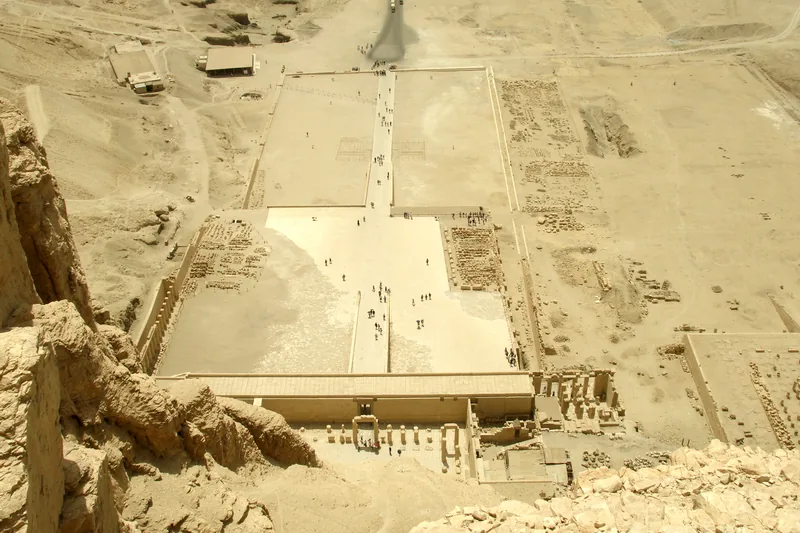
The Temple of Hatshepsut at Deir el-Bahari, on the west bank of the Nile at Luxor (ancient Thebes), photographed by Vyacheslav Argenberg on 21 May 2007. The British Museum school timeline says Hatshepsut ruled about 1473–1458 BC, and that her most famous monument is a funerary temple opposite Thebes (present-day Luxor). The file is CC BY 4.0. Photo: Vyacheslav Argenberg, 21 May 2007 · CC BY 4.0 · Wikimedia Commons 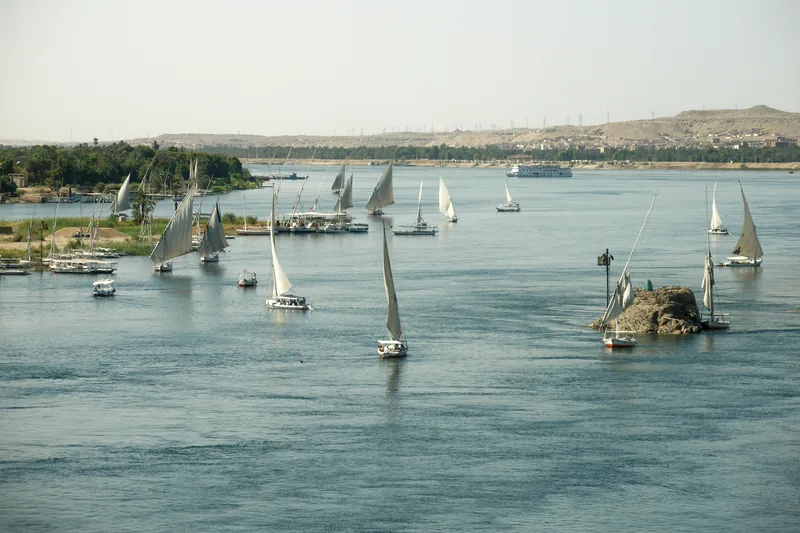
Feluccas on the Nile at Aswan, photographed by Vyacheslav Argenberg on 24 May 2007. The file is CC BY 4.0. Photo: Vyacheslav Argenberg, 24 May 2007 · CC BY 4.0 · Wikimedia Commons 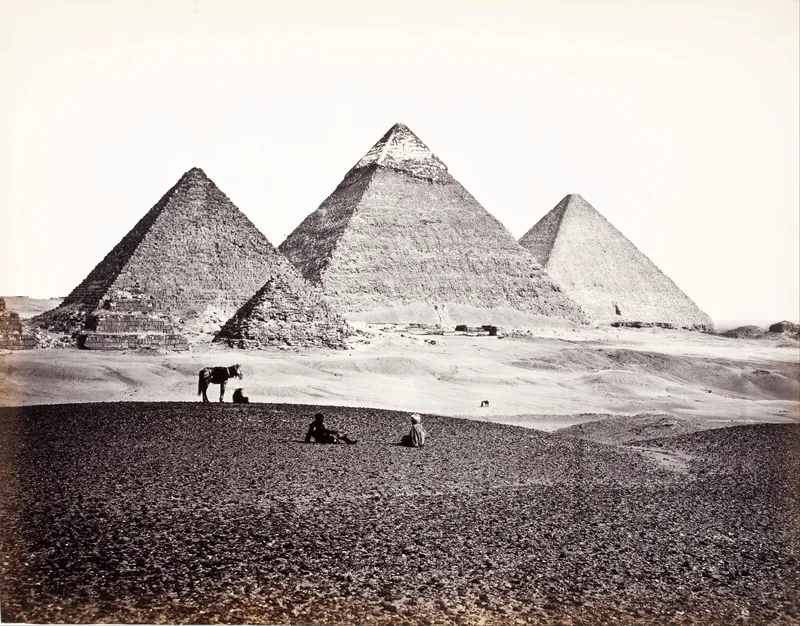
The pyramids of Giza from the southwest, photographed by Francis Frith. A historical photograph, not a modern colour view. The British Museum school timeline dates the three large stone pyramids at Giza to 2600–2500 BC. The file is in the public domain. Photo: Francis Frith · Public domain · Wikimedia Commons 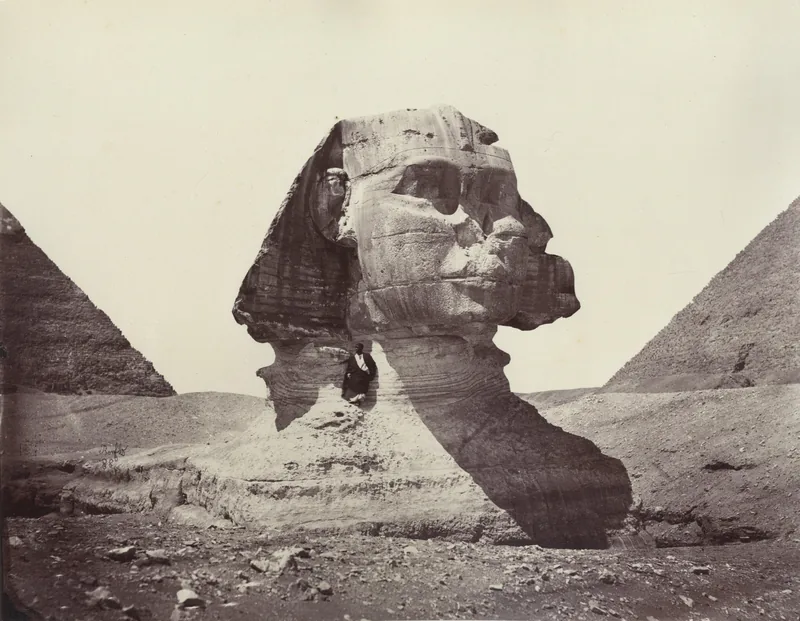
The Great Sphinx of Giza, photographed by Félix Bonfils in 1888. A historical photograph, not a modern colour view. The British Museum school timeline says the pyramid built for the king Khafre is guarded by a huge stone sphinx with the body of a lion and the king’s head. The file is in the public domain. Photo: Félix Bonfils, 1888 · Public domain · Wikimedia Commons 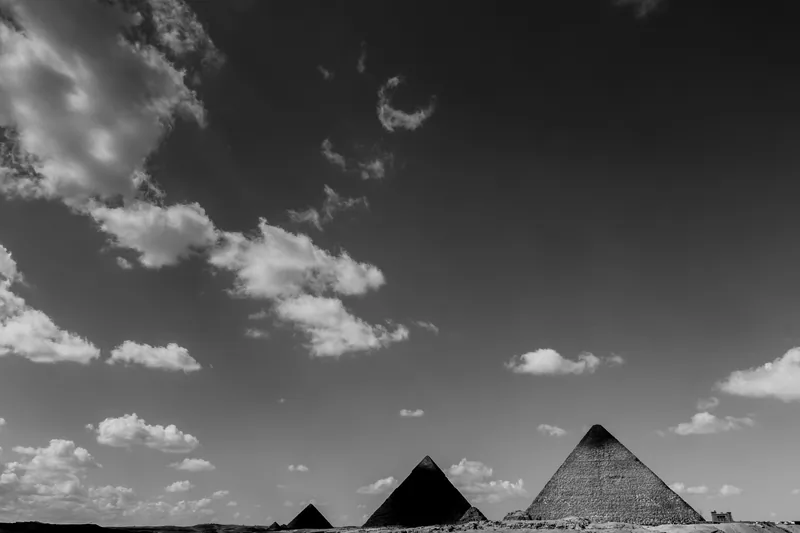
The pyramids of Giza, photographed by Ireneusz Jerzy Borysiewicz on 16 February 2024. The file is CC BY-SA 4.0 and is used on the website only, not in the typographic fact sheets. Photo: Ireneusz Jerzy Borysiewicz, 16 February 2024 · CC BY-SA 4.0 (website only) · Wikimedia Commons 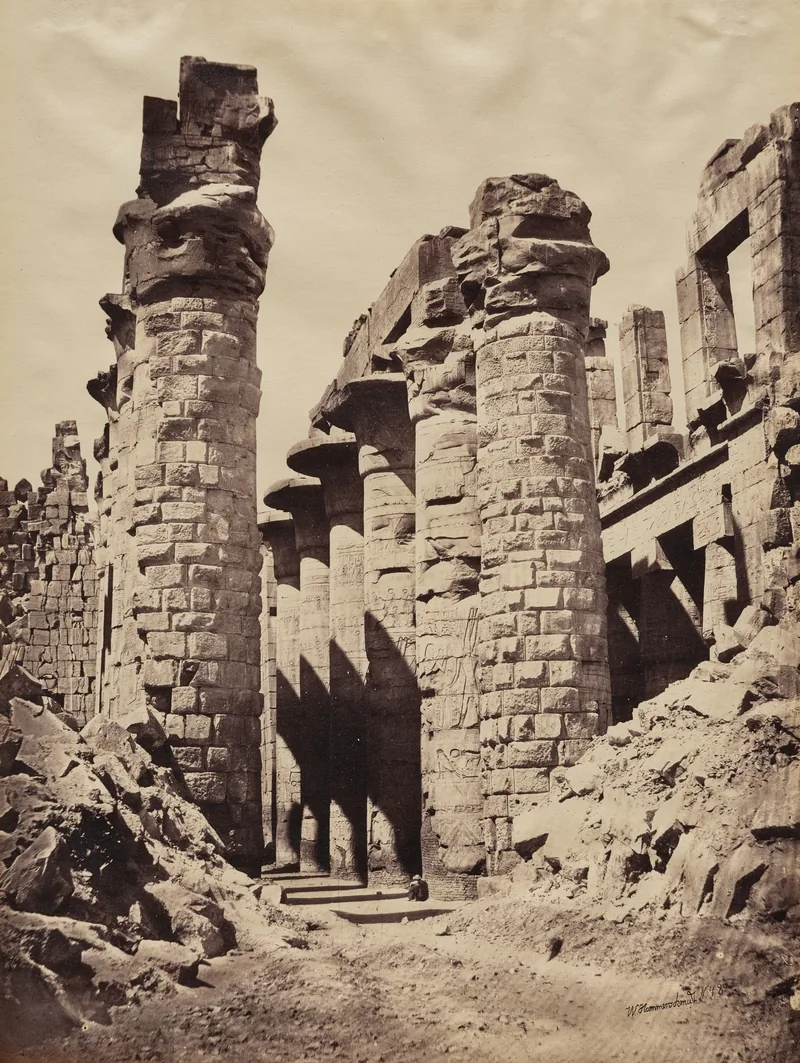
The hypostyle hall at Karnak, photographed by Wilhelm Hammerschmidt in 1869. A historical photograph, not a modern colour view. Cleveland Museum of Art. The file is CC0 1.0. Photo: Wilhelm Hammerschmidt, 1869 · CC0 1.0 · Wikimedia Commons 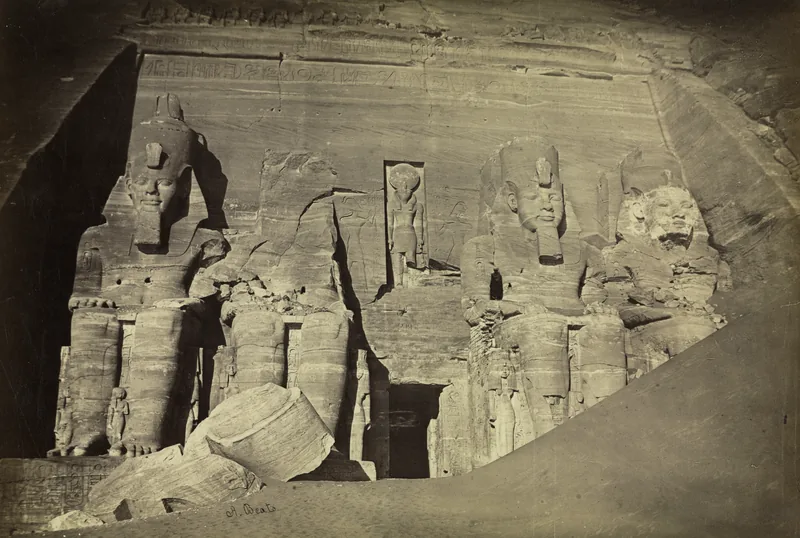
The Temple of Ramesses II at Abu Simbel, photographed by Antonio Beato, about the 1860s. A historical photograph, not a modern colour view. Cleveland Museum of Art. The Commons file carries a museum text that discusses Maxime Du Camp; the photograph itself is catalogued as Antonio Beato, and that is how it is credited here. The file is CC0 1.0. Photo: Antonio Beato, about the 1860s · CC0 1.0 · Wikimedia Commons 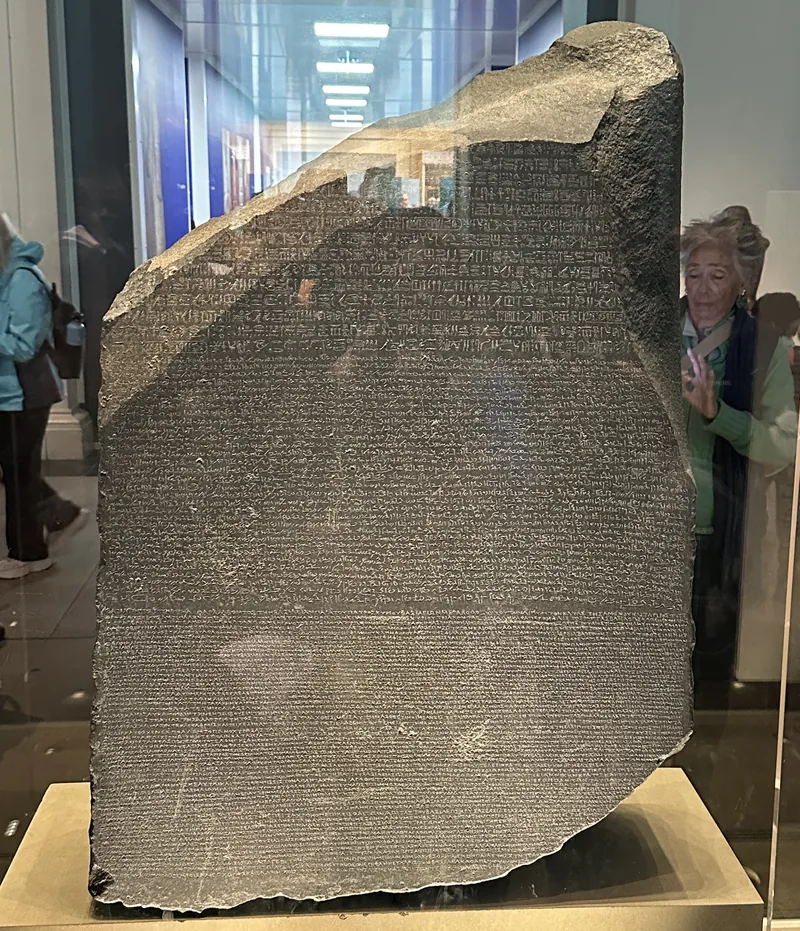
The Rosetta Stone in the British Museum, photographed by APK on 14 May 2026. The British Museum says a decree was inscribed on the stone three times, in hieroglyphic, demotic and Greek. The file is CC BY 4.0. Photo: APK, 14 May 2026 · CC BY 4.0 · Wikimedia Commons 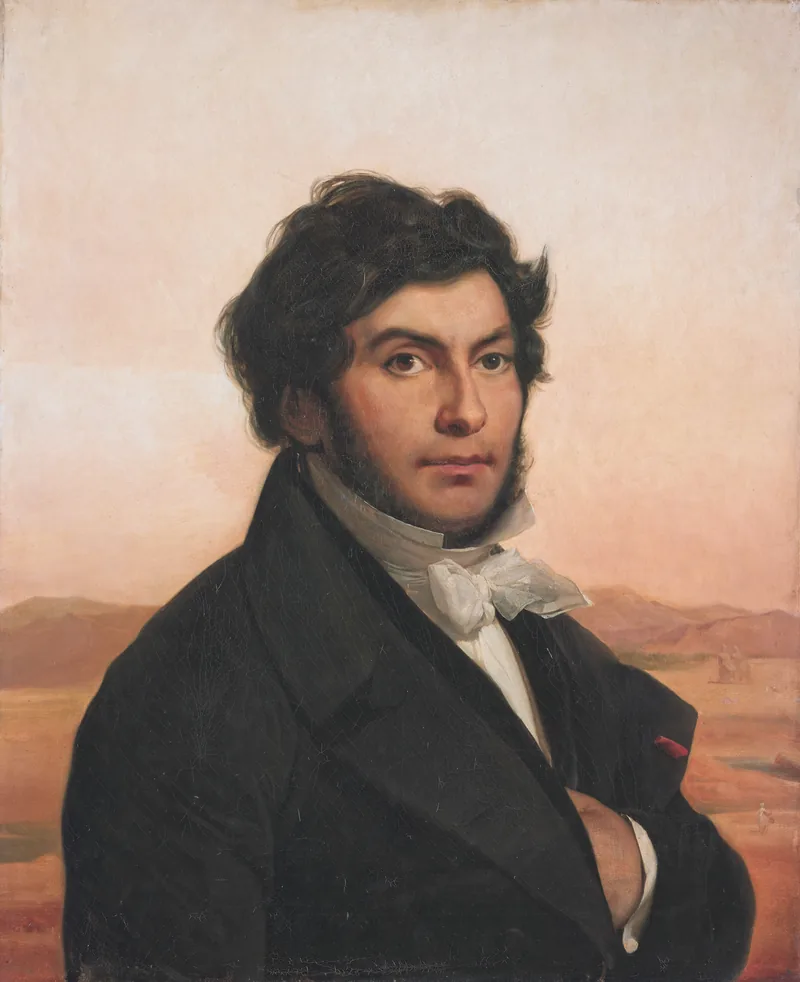
Portrait of Jean-François Champollion, by Léon Cogniet. Ilona Regulski’s British Museum blog records that Champollion’s Lettre à M. Dacier was read on 27 September 1822. The file is in the public domain. Painting: Léon Cogniet · Public domain · Wikimedia Commons 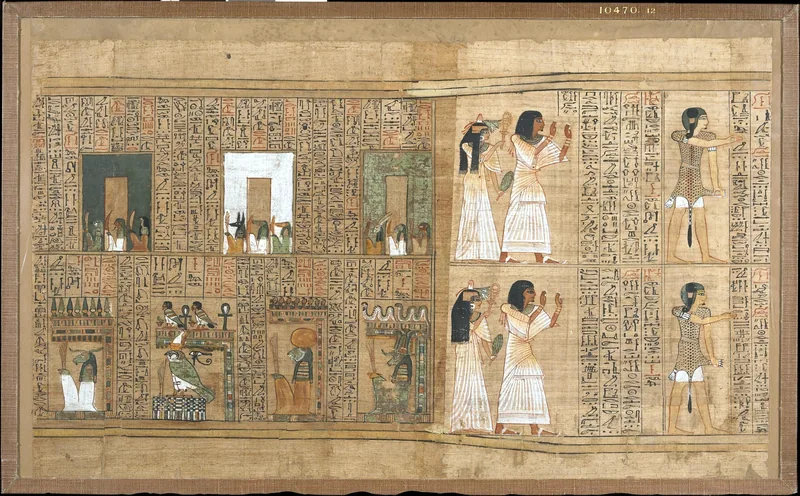
A sheet from the Papyrus of Ani, in the British Museum. The file is in the public domain. Photo: Unknown photographer of a British Museum papyrus · Public domain · Wikimedia Commons 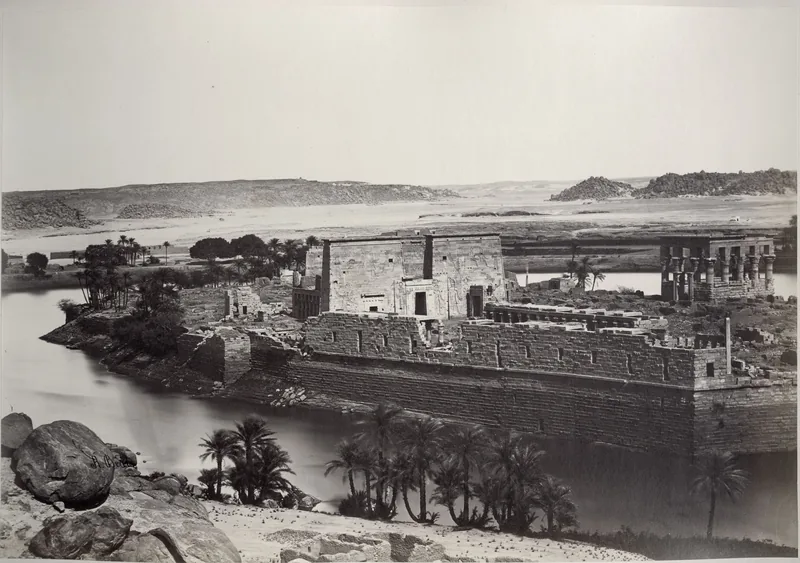
The Temple of Philae, photographed by Antonio Beato, from the Archivio fotografico of the Museo Egizio, Turin. A historical photograph, not a modern colour view. The British Museum school timeline dates the last known hieroglyphic inscription to AD 394, carved on a wall at the Temple of Philae. The file is CC0 1.0. Photo: Antonio Beato · CC0 1.0 · Wikimedia Commons
Enjoyed this Egypt desk?
No pop-ups. No intrusive advertising. Just interesting stuff. A little support helps the next ages.im site get built.